
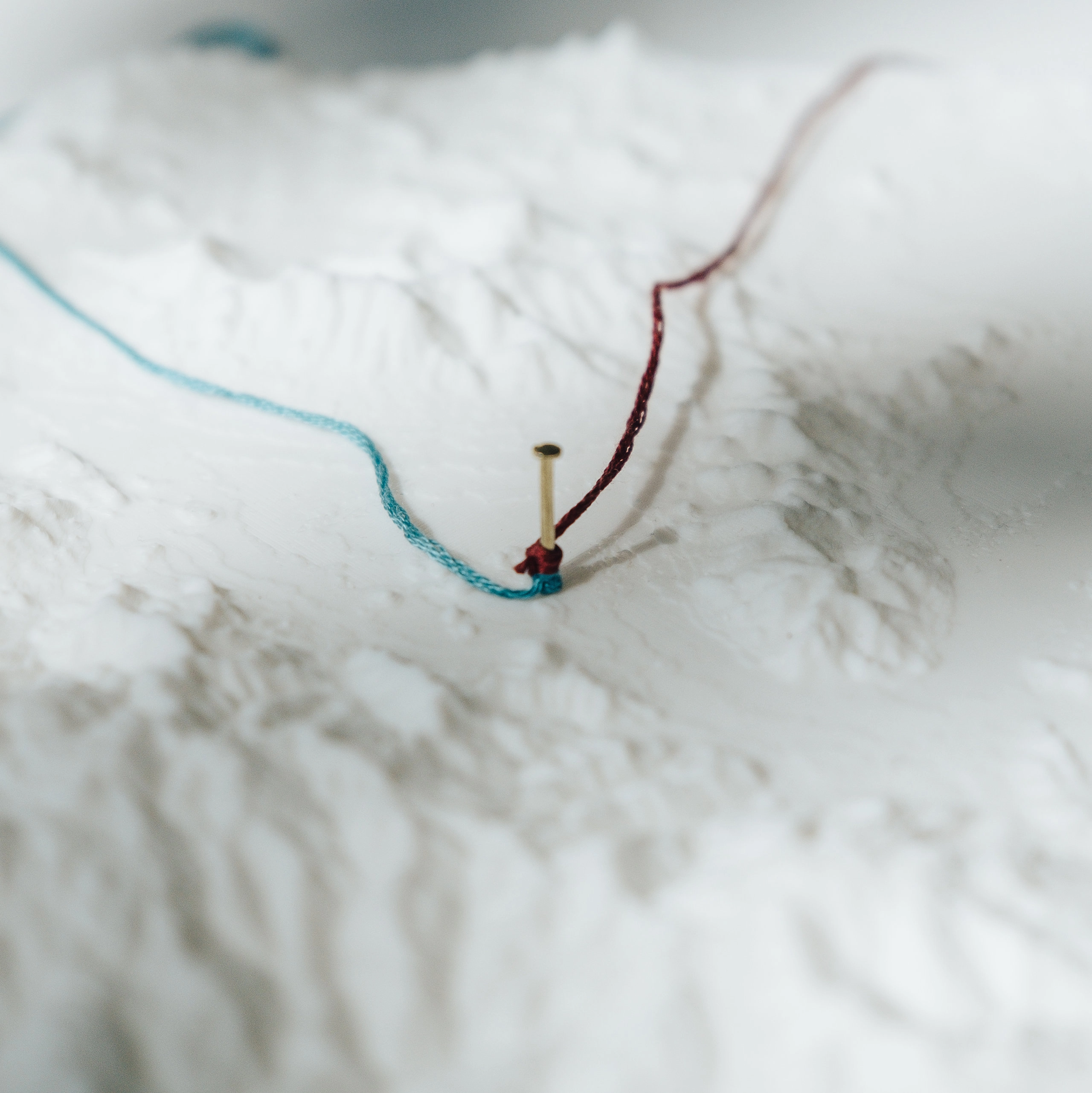
It's said that when Hernán Cortés returned to Spain and Emperor Charles V asked him what New Spain looked like, he crumpled a piece of paper on the table: that was how he explained a land made of endless mountain ranges. For the Zapotec people of Oaxaca's Central Valleys, that terrain is the origin itself: they call themselves Ben'Zaa, people of the clouds, and tell that they were born from the earth's bowels, from caves, from mountain peaks, and from the deep sky.
That bond with the land also shapes life in community, and becomes most visible when someone dies. In San Jerónimo Tlacochahuaya, mourning lasts three days and isn't rushed: when Mónica died, the doors of the house stayed open day and night, and the town came on its own to cook, sweep, carry chairs and tables, and guide a family that had lived away for years through rites it barely remembered anymore. "The sun dies in the mountains" is the first line of "Dios nunca muere," the waltz the town band played to lead the procession to its final stop.
This work is born from that farewell, so that we, as migrant artists living in Germany, can embroider the thread of memory. It begins with the stillness of the preparations: empty chairs, uncooked chickens, an empty yard, presence in absence. Then the people arrive: the procession, the body, the whole town walking alongside. An embroidered portrait of Mónica and an embroidered landscape of the sierra, important to those who live in these valleys, carry the traditional patterns and threads of the Central Valleys, and threads that fall toward an orographic model of the region, winding around the exact spot where her house still stands.